The Strutt family
William Strutt (eldest son of Jedediah)
William, eldest son of Jedidiah and Elizabeth, was afforded the best education possible by his parents. He was working in his father’s mill in Derby by the age of fourteen.
Following the death of his father in 1797, and his uncle William Strutt in 1800, William continued the cotton business with his brothers, under the name of W. G. & J. Strutt. He was primarily responsible for the technical side.
During his life William engaged with scientists, engineers, literary figures and industrialists, such as Josiah Wedgwood. With his friend Erasmus Darwin, he founded the Derby Philosophical Society in 1784, becoming president in 1802.
William’s achievements were formally acknowledged when engineers including James Watt and Marc Isambard Brunel nominated William as a Fellow of the Royal Society in 1817. William, along with his brother Joseph and his son Edward, was involved in establishing the Derby Mechanics Institute in 1825, becoming its first president.
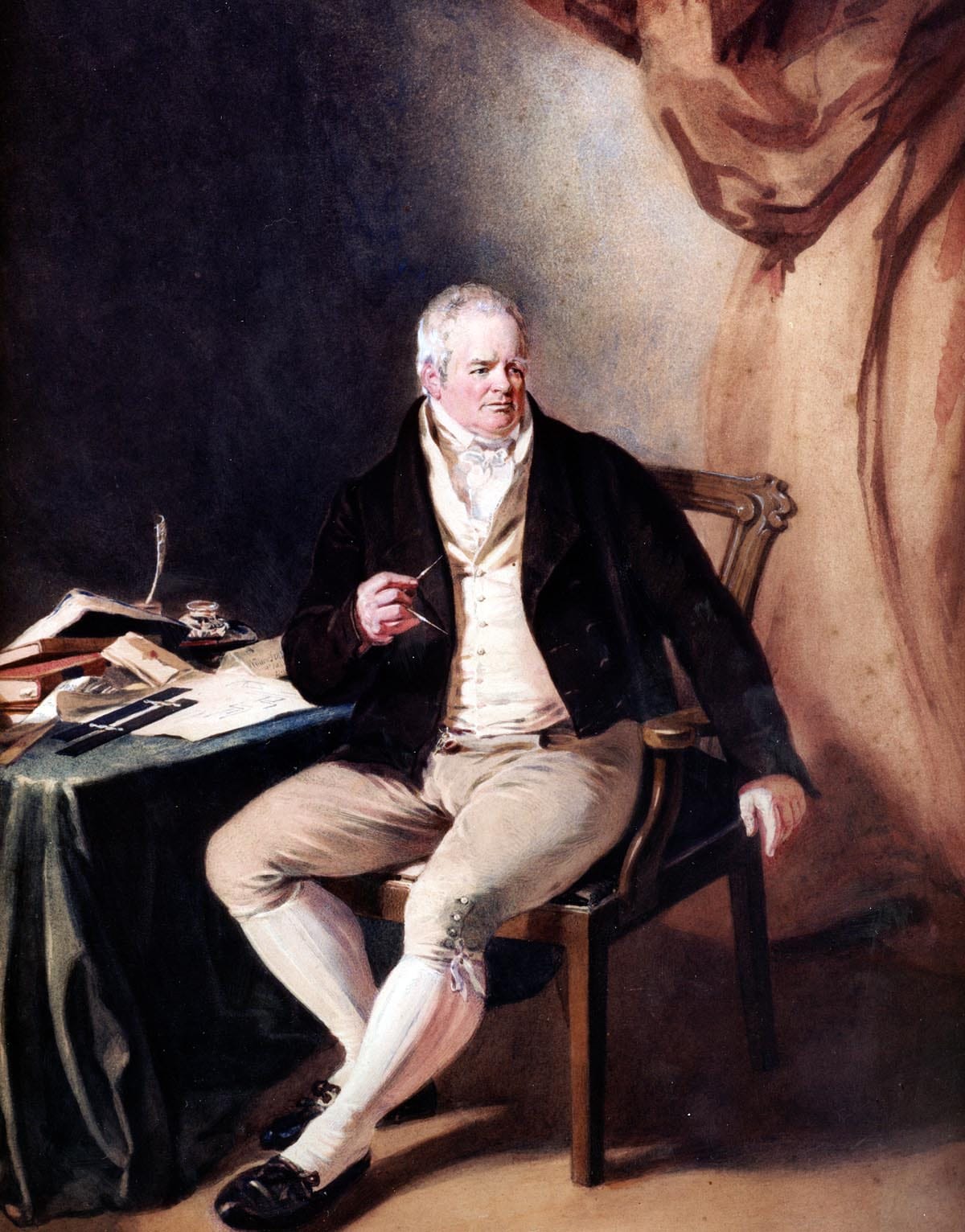
Following William Strutt’s death in 1830, aged 74, Robert Owen, owner of New Lanark Mills wrote of him: “Society must lose the services of one of the most valuable men that the last century has produced”.
William is best known for his mill improvement works, including iron framed fireproof factories, a hot air heating and ventilation system and waterpower development such as the iron suspension wheel. However, contemporaries acknowledged his understanding and achievements in many other areas, such as his watchmen’s noctuary or tell-tale clock, and self-acting mule development.
Away from the mills he was the principal director of the Derbyshire General Infirmary (1802-1810) the construction of which incorporated many of his innovative ideas, including the heating and ventilation system. He took an active role in improving lighting and paving in Derby and helped with the design of the present St Mary’s Bridge, Derby.
(Taken from the new book The Strutt Mills of Belper and Milford, by the Belper North Mill Trust Volunteers – contact secretary@belperhistoricalsociety.co.uk for details of where copies are currently available)